
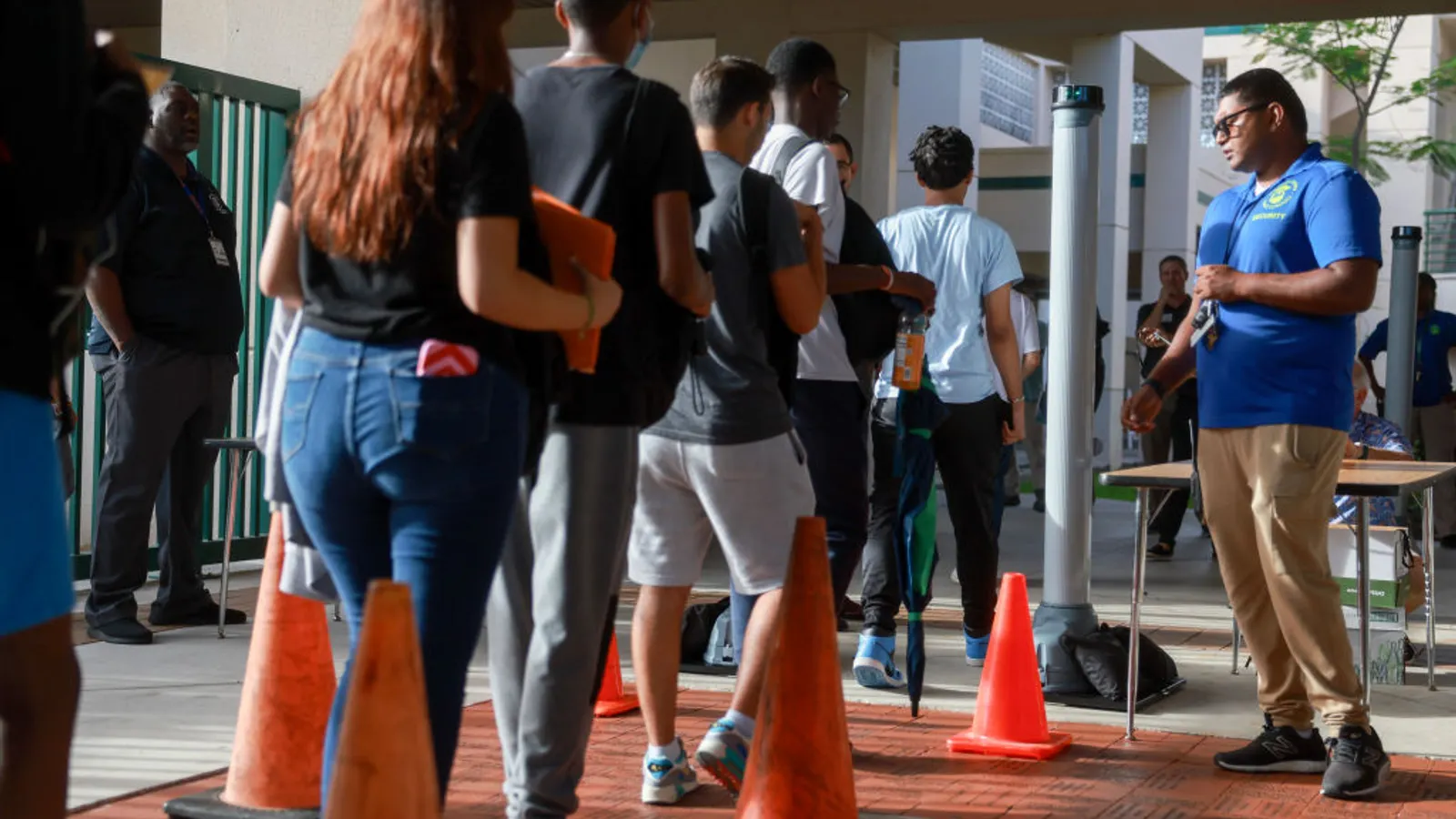
US schools spent $4B on physical-safety hardening — Learning Policy Institute argues weapons-detection tech erodes trust and the money would yield more safety in school-climate work
Published: June 3, 2026
 Facilities Dive
Facilities Dive
US K-12 schools are spending roughly $4 billion on physical-safety hardening (weapons detection, surveillance, controlled entries), but the Learning Policy Institute argues the spending may be counter-productive: hardening technologies can inadvertently erode the student trust that research links to actual safety outcomes. The Institute's data points instead at investments in positive school climate — relationships, counsellors, restorative practices — as the higher-yield safety lever. For school-district FM and security teams, this is a procurement-narrative shift: justifying the security spec to school boards now requires more than vendor capability claims.